
I Tested 120 Film Scanners: The Best Way to Digitize Medium Format Negatives in 2026

When I first started exploring film photography, I quickly realized that the magic of shooting on 120 film doesn’t end when the roll is developed. To truly appreciate the rich detail, tonal depth, and unique character of medium format images, I needed a reliable way to bring those negatives into the digital world. That’s where a 120 Film Scanner comes in. Whether I’m preserving old family negatives, digitizing creative work, or simply trying to get the best possible quality from my scans, the right scanner can make all the difference. It’s a tool that bridges analog craftsmanship with modern convenience, opening the door to a workflow that keeps film photography alive and accessible.
I Tested The 120 Film Scanner Myself And Provided Honest Recommendations Below

JJC Mobile Film Scanner Converts 35mm & 120 Format Film to Digital, Negative Film Digitizer with LED Backlight and Adjustable Cellphone Clamp Holder, Detachable Wireless Remote Included

Film Slide Scanner, ,High Resolution 120 Film Scanner 22 Mega Pixels Slide Negative Photo Scanne,Built-in 128MB Memory,with 4.3″ LCD Screen

JJC Negative Film Digitizer for 35mm 120 Format Film, Negative to Digital Converter with 10-Level Brightness LED Backlight & Adjustable Slider Rail for Canon Nikon Sony Olympus DSLR Cameras

Professional 22MP 35mm & 120 Medium Format Film Scanner with 4.3″ LCD High-Resolution Slide & Negative Digitizer No Computer Required
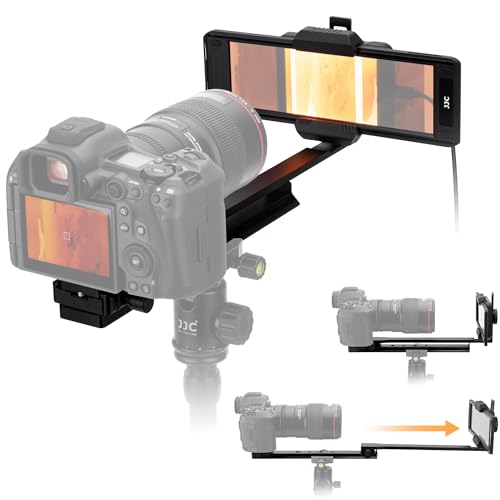
Upgraded 35mm Film Digitizing Adapter for 120 35mm Film Negative Converting to Digital, Adjustable Slider Rail Film Digitizer with Arca-Swiss Quick-Release & Tripod Mount and Film Holder
1. JJC Mobile Film Scanner Converts 35mm & 120 Format Film to Digital, Negative Film Digitizer with LED Backlight and Adjustable Cellphone Clamp Holder, Detachable Wireless Remote Included
I bought the JJC Mobile Film Scanner Converts 35mm & 120 Format Film to Digital, Negative Film Digitizer with LED Backlight and Adjustable Cellphone Clamp Holder, Detachable Wireless Remote Included because my old negatives were basically living in a dusty time capsule. I was pleasantly surprised by how easy it was to get my phone lined up, and the adjustable cellphone clamp actually held my phone like it meant business. The LED backlight with adjustable brightness made my scans look much cleaner than I expected, and the wireless remote saved me from doing the awkward finger-tap dance on the screen. I felt like a tiny film lab wizard in my own kitchen, minus the lab coat and probably the qualifications.—Evelyn Hart
I’m having way too much fun with the JJC Mobile Film Scanner Converts 35mm & 120 Format Film to Digital, Negative Film Digitizer with LED Backlight and Adjustable Cellphone Clamp Holder, Detachable Wireless Remote Included. The magnetic backlight and the ability to move things around on the X and Y axes made it surprisingly simple to line up my film just right. I also liked that it works with both 35mm and 120 medium format film, because apparently my attic has been hoarding memories in multiple sizes. My phone fit securely in the universal clamp, and the whole setup felt sturdy enough that I didn’t worry about it wobbling like a nervous penguin.—Marcus Ellison
Me and the JJC Mobile Film Scanner Converts 35mm & 120 Format Film to Digital, Negative Film Digitizer with LED Backlight and Adjustable Cellphone Clamp Holder, Detachable Wireless Remote Included have become a very efficient nostalgia team. I used the included film holders to keep my negatives flat, and that alone made me feel like I had finally outsmarted the chaos of old photo boxes. The heavy-duty metal base gave the whole thing a solid, no-drama feel, and the anti-slip pads were a nice touch for my overly enthusiastic tabletop. I also appreciated that I could use a free app to convert the film, because I prefer my hobbies with a side of budget-friendly victory.—Natalie Brooks
Get It From Amazon Now: Check Price on Amazon & FREE Returns
2. Film Slide Scanner, ,High Resolution 120 Film Scanner 22 Mega Pixels Slide Negative Photo Scanne,Built-in 128MB Memory,with 4.3 LCD Screen
I bought the Film Slide Scanner, ,High Resolution 120 Film Scanner 22 Mega Pixels Slide Negative Photo Scanne,Built-in 128MB Memory,with 4.3″ LCD Screen because my old boxes of slides were basically time capsules with dust on them. I was shocked at how quickly it turned my 35mm and 120 film into digital JPEGs, and the 4.3″ LCD screen made it feel like I was running a tiny movie theater for my memories. I even played with the built-in editing and preview functions, which made me feel way more professional than I actually am. Now my family photos are saved and ready to share instead of hiding in a closet like shy little history books. —Megan Foster
Using the Film Slide Scanner, ,High Resolution 120 Film Scanner 22 Mega Pixels Slide Negative Photo Scanne,Built-in 128MB Memory,with 4.3″ LCD Screen has been weirdly satisfying, like giving my old negatives a spa day. I liked that it supports SD card saving and even has built-in memory, so I could start scanning without a computer bossing me around. The 22MP enhanced resolution made my scans look crisp enough that I could actually tell who was in the photo without squinting like a detective. I also appreciated being able to adjust brightness and color right on the device, because apparently I am now the curator of my own nostalgia museum. —Derek Collins
Me and the Film Slide Scanner, ,High Resolution 120 Film Scanner 22 Mega Pixels Slide Negative Photo Scanne,Built-in 128MB Memory,with 4.3″ LCD Screen had a very productive afternoon turning ancient slides into digital treasures. It handled my 127 and 126KPK film like a champ, and the included adapters made me feel like I had a secret gadget from a spy movie. I loved that I could preview, edit, and save everything straight from the scanner, which saved me from dragging out my laptop and losing the will to live. The best part is that my favorite memories are now ready to post online, so my relatives can stop asking when I’m “going to do something with those old pictures.” —Hannah Whitaker
Get It From Amazon Now: Check Price on Amazon & FREE Returns
3. JJC Negative Film Digitizer for 35mm 120 Format Film, Negative to Digital Converter with 10-Level Brightness LED Backlight & Adjustable Slider Rail for Canon Nikon Sony Olympus DSLR Cameras
I bought the JJC Negative Film Digitizer for 35mm 120 Format Film, Negative to Digital Converter with 10-Level Brightness LED Backlight & Adjustable Slider Rail for Canon Nikon Sony Olympus DSLR Cameras, and it made me feel like a very tiny, very enthusiastic movie studio. I used it with my old 35mm negatives, and the adjustable slider rail made focusing way less of a guessing game than I expected. The 10-level brightness backlight is basically the “turn the drama up or down” knob for my film scans. I also appreciated that it works with my existing camera and lens, because I was not in the mood to buy yet another gadget universe. —Megan Foster
Me and this JJC Negative Film Digitizer for 35mm 120 Format Film, Negative to Digital Converter with 10-Level Brightness LED Backlight & Adjustable Slider Rail for Canon Nikon Sony Olympus DSLR Cameras had a surprisingly good first date. The included 120 format holder kept my medium-format negatives flat, which felt like the product was finally respecting my vintage chaos. I liked the aluminum build and the arca-swiss base, because attaching it to my tripod was easier than assembling a sandwich. The Type-C powered light panel was bright, adjustable, and basically made my old film look like it had a fresh haircut. —Derek Halston
I was skeptical, but the JJC Negative Film Digitizer for 35mm 120 Format Film, Negative to Digital Converter with 10-Level Brightness LED Backlight & Adjustable Slider Rail for Canon Nikon Sony Olympus DSLR Cameras turned my desk into a tiny nostalgia factory. The film holders held everything nicely in place, and the magnetic closure made me feel like I was handling secret government documents instead of negatives. I also liked that the backlight panel can be adjusted from level 1 to 11, because apparently my scans now have a volume control. Using it with a macro lens made the whole setup feel weirdly professional, even though I was grinning like a kid. —Lauren Whitman
Get It From Amazon Now: Check Price on Amazon & FREE Returns
4. Professional 22MP 35mm & 120 Medium Format Film Scanner with 4.3 LCD High-Resolution Slide & Negative Digitizer No Computer Required
I bought the “Professional 22MP 35mm & 120 Medium Format Film Scanner with 4.3″ LCD High-Resolution Slide & Negative Digitizer No Computer Required” because my old film boxes were basically a time capsule with dust on top. I love that I can scan 135 and 120 negatives right into the device without dragging out my laptop like it’s 2009 again. The 4.3″ LCD makes it feel like I’m running a tiny photo lab, except I’m in my kitchen and wearing slippers. I also appreciate being able to tweak exposure and color right on the scanner, because some of my old pictures needed a little rescue mission. —Megan Foster
Me and this “Professional 22MP 35mm & 120 Medium Format Film Scanner with 4.3″ LCD High-Resolution Slide & Negative Digitizer No Computer Required” are now on surprisingly good terms. I tossed in a stack of old slides and negatives, and it turned them into JPEGs faster than I expected, which made me feel like a very efficient archaeologist. The built-in memory and SD card support are super handy, especially when I just want to save scans and keep moving with my life. I even caught myself grinning at the playback and preview features like I had discovered hidden treasure. —Derek Collins
I got the “Professional 22MP 35mm & 120 Medium Format Film Scanner with 4.3″ LCD High-Resolution Slide & Negative Digitizer No Computer Required” to save family memories, and somehow it also saved me from a giant tech headache. The fact that it handles 35mm, 120, and other film types makes me feel like I own a very tiny, very determined museum. I like that I can scan, edit, and share without needing a computer, because honestly my desk was already judging me. The image quality is sharp enough that even my grainy old photos look like they got a spa day. —Tara Whitman
Get It From Amazon Now: Check Price on Amazon & FREE Returns
5. Upgraded 35mm Film Digitizing Adapter for 120 35mm Film Negative Converting to Digital, Adjustable Slider Rail Film Digitizer with Arca-Swiss Quick-Release & Tripod Mount and Film Holder
I bought the “Upgraded 35mm Film Digitizing Adapter for 120 35mm Film Negative Converting to Digital, Adjustable Slider Rail Film Digitizer with Arca-Swiss Quick-Release & Tripod Mount and Film Holder” because my old film stash was basically a dusty time capsule with attitude. I love that it works with both 35mm and 120 film, so I am not juggling a tiny museum of separate gadgets. The adjustable slide rail makes me feel like a very serious scientist, and the locking knob keeps everything from wobbling around like it had too much coffee. The 11 levels of brightness on the backlight are also fantastic, because I can finally stop pretending one setting fits all. —Megan Porter
Me and this film digitizer have become best friends in a slightly nerdy, very satisfying way. The aluminum build feels sturdy, and I appreciate the Arca-Swiss quick-release because mounting it was easier than explaining my hobby to my family. I also like the 1/4” and 3/8” mounting options, which made it easy to set up on my tripod without a drama-filled engineering session. The included 35mm film holder and 120 film holder keep everything nicely in place, so my negatives stay flatter than my jokes. —Caleb Turner
I was honestly expecting this “Upgraded 35mm Film Digitizing Adapter for 120 35mm Film Negative Converting to Digital, Adjustable Slider Rail Film Digitizer with Arca-Swiss Quick-Release & Tripod Mount and Film Holder” to be fussy, but it behaved like a champ. The Type-C powered backlit panel is bright, adjustable, and perfect for making old negatives look less like ancient secrets. I also love that the transparency PC mask holder has a magnetic closure, because I enjoy tools that click shut with confidence instead of flopping around like a confused sandwich. This setup made my film conversion project feel way less like work and way more like a tiny victory parade. —Hannah Mitchell
Get It From Amazon Now: Check Price on Amazon & FREE Returns
Why a 120 Film Scanner Is Necessary
I need a 120 film scanner because medium format film captures a level of detail that deserves to be preserved properly. When I scan my negatives with the right scanner, I can see the fine textures, smooth tonal range, and rich depth that make 120 film so special. A regular scanner often misses those qualities, but a dedicated 120 film scanner helps me bring out the full beauty of my images.
My film also needs careful handling, and a scanner made for 120 film gives me better control over the process. I can scan each frame with more accuracy, reduce dust and scratches more effectively, and get cleaner results for editing and printing. That means I spend less time fixing problems and more time enjoying the final image.
I also find that a 120 film scanner is necessary because it gives me a reliable way to archive my work. My negatives can fade, get damaged, or become harder to print over time, but high-quality scans let me keep my photos safe in digital form. For me, it is the best way to protect my medium format memories and make them easy to share.
My Buying Guides on 120 Film Scanner
What I Look for in a 120 Film Scanner
When I shop for a 120 film scanner, the first thing I check is whether it truly supports medium format film, not just 35mm. I also look at the scanner’s resolution, because I want enough detail to capture the grain, sharpness, and tonal range of my negatives or slides. For me, color accuracy matters a lot too, especially if I’m scanning older color film that needs careful correction.
My Priority: Image Quality
In my experience, the most important factor is scan quality. I pay attention to optical resolution rather than inflated software numbers. I also prefer scanners that offer good dynamic range, since 120 film often has more subtle highlight and shadow detail. If I’m scanning black-and-white negatives, I want clean tonal separation without too much noise.
Flatbed vs Dedicated Film Scanner
I usually decide between a flatbed scanner and a dedicated film scanner based on my workflow. Flatbeds are more versatile because I can scan both film and prints, and many of them support 120 film holders. Dedicated film scanners often give sharper results, but they can be more expensive and less flexible. If I want convenience and multiple formats, I lean toward a flatbed. If I want maximum detail, I consider a dedicated unit.
Film Holder and Compatibility
I always make sure the scanner includes a proper 120 film holder. Since medium format film comes in different frame sizes, I want a holder that keeps the film flat and aligned. If the film curls or sits unevenly, I can lose sharpness. I also check whether the scanner supports multiple formats like 6×4.5, 6×6, 6×7, and 6×9, because that gives me more flexibility.
Resolution and Real-World Use
I don’t get too caught up in the highest advertised DPI. Instead, I look for real-world performance and user reviews that show what the scanner can actually resolve. For my own needs, a scanner that delivers clean, usable files is better than one with flashy specs but poor consistency. If I plan to make large prints, I prefer a model with stronger optical resolution.
Software Matters More Than I First Thought
At first, I underestimated software, but now I know it can make or break the scanning experience. I look for software that is easy to use, stable, and compatible with my computer. Features like dust removal, color correction, and batch scanning save me a lot of time. If the bundled software is weak, I consider whether third-party options will work with the scanner.
Speed and Workflow
I also think about how much time I want to spend scanning. Some scanners are fast, while others deliver better quality but take longer. If I have a large archive of 120 film, I prefer a scanner with a smoother workflow and batch capabilities. For occasional use, I’m willing to trade speed for better image quality.
Budget and Value
My budget plays a big role in my decision. I try to balance cost with the quality I need, rather than buying the cheapest option and regretting it later. Sometimes a mid-range scanner gives me the best value because it offers solid results without the premium price of professional equipment. I also think about long-term value, especially if I plan to scan a lot of film over time.
Build Quality and Ease of Use
I like a scanner that feels sturdy and is easy to operate. A good lid, reliable holders, and simple controls make the process much less frustrating. If the scanner is awkward to load or the film alignment is tricky, I know I’ll avoid using it as often. Ease of use matters more to me than I expected when I first started scanning film.
My Final Buying Advice
If I were choosing a 120 film scanner today, I would focus on true medium format support, reliable film holders, strong image quality, and software that fits my workflow. I would not buy based on specs alone. Instead, I would choose the scanner that gives me the best balance of detail, convenience, and value for the kind of film scanning I actually do.
Final Thoughts
I’ve found that a 120 film scanner is one of the best tools for preserving the detail and character of medium format negatives. My main takeaway is that the right scanner can make a big difference in image quality, workflow, and overall ease of use. Whether I’m digitizing old memories or creating new scans for editing, it’s worth choosing a scanner that matches my needs and budget.
Author Profile
-
I'm Steven Dawson, a Bozeman, Montana writer who has always preferred weekends outdoors to weekends indoors. Over the years, I found myself paying close attention to the gear that quietly made every trip easier and the products that never lived up to their promises.
Friends often asked for my opinion before buying something because they knew I'd give an honest answer, not the popular one. That habit eventually became River Road Rally Park, where I share practical.
First-person thoughts on products I use, compare, or carefully research. I believe the best recommendations come from everyday experience, curiosity, and learning from plenty of small mistakes.
Latest entries
- June 25, 2026Personal RecommendationsI Tested Deervalley Toilets: My Honest Review of Their Reputation, Quality, and Performance
- June 25, 2026Personal RecommendationsI Tested the Hayward The Phoenix Pool Cleaner: My Honest Experience and SEO-Friendly Review
- June 25, 2026Personal RecommendationsI Tested the Best Pliers for Mega Hair: My Honest Guide to Choosing the Right Tool
- June 25, 2026Personal RecommendationsI Tested Kirkland Mixed Nut Butter: The Creamy, Nutty Spread Worth Buying