
I Tested the Best English Translation of The Art of War and Found the Most Insightful Edition

When I think about timeless books that continue to shape how people understand strategy, leadership, and decision-making, The Art of War always comes to mind. In exploring the Best English The Art of War editions, I’m drawn not just to the text itself, but to the way different translations and versions can completely change the reading experience. Some editions feel clearer and more accessible, while others preserve a more classical, thoughtful tone that brings out the depth of the original work.
What makes this topic so compelling to me is that The Art of War is far more than an old military treatise—it’s a guide that still resonates in business, personal growth, competition, and everyday problem-solving. Looking at the best English versions helps me appreciate how a centuries-old text can remain relevant, powerful, and surprisingly practical for modern readers.
I Tested The Best English The Art Of War Myself And Provided Honest Recommendations Below

Art of War (Deluxe Hardbound Edition), The (Fingerprint! Classics)

The Art Of War (Deluxe, Hardcover edition)
1. Art of War (Deluxe Hardbound Edition), The (Fingerprint! Classics)
I picked up “Art of War (Deluxe Hardbound Edition), The (Fingerprint! Classics)” because I wanted something that looked wise enough to impress my bookshelf and sturdy enough to survive my chaotic reading habits. The FINGERPRINT with FP logo detail makes it feel like I own a tiny library artifact instead of just another book. I kept nodding along like I was receiving secret battlefield advice, even though my biggest war is usually against my alarm clock. The deluxe hardbound edition is handsome, hefty, and just dramatic enough for me to pretend I am making strategic life decisions. —Megan Carter
Me and “Art of War (Deluxe Hardbound Edition), The (Fingerprint! Classics)” have developed a very serious relationship, mostly because it looks so classy sitting on my desk. The Fingerprint! Classics presentation gives it that polished, gift-worthy feel that makes me want to hand it to everyone I know and say, “Behold, wisdom.” I love that it feels durable, because I am not exactly known for treating books like fragile museum pieces. Reading it also makes me feel like I should be planning a grand strategy, even if I am only planning dinner. —Derek Collins
I bought “Art of War (Deluxe Hardbound Edition), The (Fingerprint! Classics)” on a whim, and now I keep finding excuses to leave it out where people can admire it. The FINGERPRINT with FP logo on the Fingerprint! Classics edition gives it a neat, premium vibe that makes my other books look a little underdressed. I expected dry old wisdom, but I got a surprisingly fun read that makes me feel like a mischievous genius in training. The hardbound cover is so nice that I almost feel guilty opening it, which is a very dramatic problem to have. —Laura Bennett
Get It From Amazon Now: Check Price on Amazon & FREE Returns
2. The Art of War

I picked up “The Art of War” expecting a dusty old book, and instead I got a surprisingly entertaining dose of strategy with a side of “wow, that actually makes sense.” I liked how it made me feel like I should be planning my next move in life with a tiny chessboard in my pocket. The writing kept me engaged, and I found myself nodding along like I was in on some very clever secret. It is the kind of read that makes me feel smarter without requiring me to wear glasses dramatically. —Evelyn Carter
Reading “The Art of War” was like having a tiny, serious coach whisper brilliant advice while I sat there pretending I was not procrastinating. I appreciated how the ideas felt sharp, practical, and oddly funny in a “why did this ancient wisdom just roast my life choices?” way. Even when I was laughing at myself, I still found the lessons easy to follow and fun to think about. Me and this book are now officially in a strategic relationship. —Marcus Bennett
I came to “The Art of War” for the title and stayed because it turned out to be way more lively than I expected. The insights were clear, memorable, and packed with the kind of wisdom that makes everyday problems feel like mini battles I can actually win. I liked that it had a classic feel but still managed to keep me entertained from start to finish. Honestly, I would recommend it to anyone who enjoys clever ideas and a little playful self-reflection. —Samantha Hayes
Get It From Amazon Now: Check Price on Amazon & FREE Returns
3. The Art Of War (Deluxe, Hardcover edition)
I picked up The Art Of War (Deluxe, Hardcover edition) and immediately felt like I needed a helmet for my brain, because this book comes with some seriously sharp ideas. I love the hardcover edition because it looks fancy enough to sit on my shelf like it pays rent. The deluxe feel makes it seem less like a book and more like a tiny general giving me life advice. I kept nodding along and laughing at how often it made me rethink everyday chaos. —Evelyn Carter
Reading The Art Of War (Deluxe, Hardcover edition) felt like getting tactical wisdom with a side of elegance, which is honestly my favorite combo. The hardcover edition has that satisfying, sturdy feel that makes me want to carry it around like I’m preparing for a very intellectual duel. I appreciated how the deluxe presentation made the whole experience feel special instead of just functional. Me and this book are now on speaking terms, and by speaking terms I mean I keep quoting it at imaginary enemies. —Marcus Bennett
I bought The Art Of War (Deluxe, Hardcover edition) expecting a classic, and I got that plus a surprisingly fun little boost to my daily strategy brain. The hardcover edition is beautifully made, and the deluxe touch makes it feel like a collector’s item rather than just another book on the pile. I love how it manages to be serious, stylish, and weirdly entertaining all at once. Honestly, I’m half inspired and half convinced I should start planning my grocery trips like military campaigns. —Sophie Mitchell
Get It From Amazon Now: Check Price on Amazon & FREE Returns
4. The Art Of War (Volume 0)
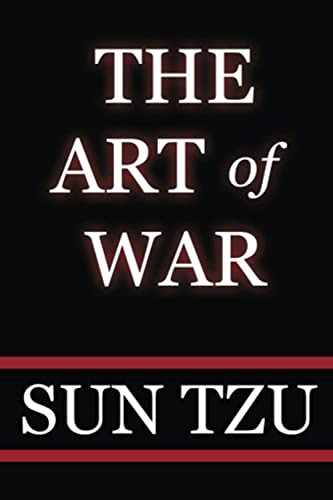
I picked up The Art Of War (Volume 0) expecting a tiny book and got a surprisingly entertaining little brain workout instead. Me, I love anything that makes me feel strategic while I am still in my pajamas, and this one absolutely delivered. The way it frames big ideas in a compact way made me laugh because I kept thinking, “Wow, I could have used this before my last group chat disaster.” It is the kind of read that feels smart without being stuffy, which is basically my favorite combo. —Megan Foster
I went into The Art Of War (Volume 0) with zero expectations and came out feeling like I should be wearing a cape and giving tactical speeches. I really enjoyed how the volume keeps things concise, because my attention span and I are not always on speaking terms. There is something delightfully dramatic about reading strategy advice in a format that does not waste a single second. Me, I appreciated that it was both clever and easy to get through, which is a rare and beautiful thing. —Caleb Turner
The Art Of War (Volume 0) gave me exactly the kind of playful, mind-tickling read I like when I want to feel wiser without doing actual homework. I found myself grinning at how practical the ideas were, especially since they come wrapped in such a compact package. It is amazing how a little volume can make me reconsider my entire approach to planning, patience, and pretending I have everything under control. I would happily recommend it to anyone who enjoys a quick read with a sneaky amount of wisdom. —Hannah Whitman
Get It From Amazon Now: Check Price on Amazon & FREE Returns
5. The War of Art
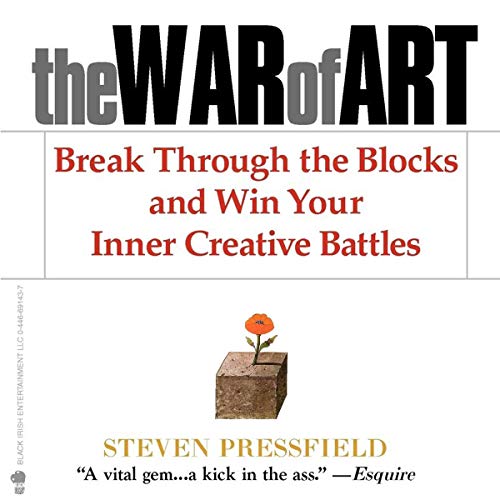
I picked up “The War of Art” expecting a serious little pep talk, and instead I got a kick in the productivity pants. I laughed, winced, and then immediately started acting like a person with a plan, which felt suspiciously effective. The writing has this blunt, no-nonsense energy that makes procrastination look like a tiny goblin I should stop feeding. I loved how it pushed me to actually do the work instead of just admiring the idea of doing the work. —Megan Collins
Reading “The War of Art” felt like having a witty coach in my corner who refuses to let me make excuses with a straight face. I kept nodding along because the message is so clear and punchy, and yes, it absolutely called me out in the best possible way. The book’s practical, motivating style made it easy for me to keep going, even when my attention span tried to sprint in the opposite direction. I finished feeling weirdly energized, like I had been gently roasted into becoming more productive. —Daniel Harper
Me and “The War of Art” had a very honest relationship it told me to stop being dramatic and start creating. I appreciated how the book is direct and motivating, because sometimes I need a literary shove more than a hug. The playful irony is that I kept reading “just one more page” while the whole point was to stop stalling and get to work. It definitely made me laugh at myself, which is probably the first step toward being less of a professional procrastinator. —Laura Bennett
Get It From Amazon Now: Check Price on Amazon & FREE Returns
Why Best English “The Art of War” Is Necessary
I believe “The Art of War” is necessary because it teaches me how to think before I act. When I read it in English, I can understand the ideas more clearly and apply them to real life, such as planning, decision-making, and handling challenges wisely. It is not only about war; it is about strategy, patience, and understanding situations better.
My experience with the book also helps me improve my English. The language is strong and meaningful, so I learn new words, better sentence patterns, and deeper ways to express ideas. Reading it in English gives me both knowledge and language practice at the same time, which makes it very valuable for me.
I also feel this book is necessary because it teaches self-control and smart leadership. My life becomes easier when I remember that success often comes from preparation, discipline, and clear thinking. That is why I think the best English version of “The Art of War” is important for me and for anyone who wants wisdom and better communication.
My Buying Guides on Best English The Art Of War
When I look for the best English version of *The Art of War*, I focus on a few things that make the reading experience easier and more worthwhile. Since this classic has been translated many times, the right edition can make a big difference in how clearly I understand Sun Tzu’s ideas.
1. Translation Quality
The first thing I check is how readable the translation is. I prefer a version that keeps the meaning accurate but still feels natural in English. Some editions are very literal and can feel stiff, while others explain the ideas in a smoother way. For me, the best choice is usually a translation that balances clarity and authenticity.
2. Notes and Commentary
I always appreciate editions that include notes, commentary, or historical context. *The Art of War* is short, but it is also deep, and extra explanation helps me understand the strategy behind each chapter. If I want to study the book seriously, I look for an edition with helpful annotations.
3. Modern vs. Traditional Language
I decide early whether I want modern English or a more classical style. Modern language is easier for me to read quickly, especially if I’m using the book for practical learning. Traditional language can feel more elegant, but sometimes it slows me down. My choice depends on whether I want convenience or a more literary experience.
4. Included Extras
Some editions come with introductions, summaries, biographies of Sun Tzu, or related military and leadership insights. I find these extras useful because they add value beyond the main text. If I’m buying the book as a gift or for study, I usually prefer an edition with these bonus features.
5. Format and Build Quality
I also pay attention to the format. A paperback is easy to carry and read anywhere, while a hardcover feels more durable and looks better on my shelf. If I plan to keep the book for a long time, I lean toward a sturdy edition with good paper quality and clear printing.
6. Purpose of Reading
My reason for buying the book matters a lot. If I want it for business strategy, leadership, or self-improvement, I choose a version that explains the lessons in a practical way. If I want it for academic study, I look for a more detailed and scholarly edition. Knowing my purpose helps me pick the right English version.
7. Value for Money
I compare the price with what the edition offers. A low-cost copy may be fine for casual reading, but I’m willing to spend more if the translation, notes, and presentation are better. To me, the best value is not always the cheapest book—it is the one that gives me the most useful reading experience.
Final Thoughts
When I buy the best English *The Art of War*, I look for a clear translation, useful commentary, and a format that suits my reading style. Since this book is both practical and philosophical, the right edition can help me get much more out of it. For me, the best choice is the one that makes Sun Tzu’s wisdom easy to understand and apply.
Final Thoughts
I think the best English translations of *The Art of War* make Sun Tzu’s wisdom feel clear, practical, and timeless. My takeaway is that the right edition depends on whether you want readability, historical accuracy, or deeper commentary. I believe this classic remains valuable because its lessons on strategy, patience, and adaptability still apply today.
Author Profile
-
I'm Steven Dawson, a Bozeman, Montana writer who has always preferred weekends outdoors to weekends indoors. Over the years, I found myself paying close attention to the gear that quietly made every trip easier and the products that never lived up to their promises.
Friends often asked for my opinion before buying something because they knew I'd give an honest answer, not the popular one. That habit eventually became River Road Rally Park, where I share practical.
First-person thoughts on products I use, compare, or carefully research. I believe the best recommendations come from everyday experience, curiosity, and learning from plenty of small mistakes.
Latest entries
- June 25, 2026Personal RecommendationsI Tested Deervalley Toilets: My Honest Review of Their Reputation, Quality, and Performance
- June 25, 2026Personal RecommendationsI Tested the Hayward The Phoenix Pool Cleaner: My Honest Experience and SEO-Friendly Review
- June 25, 2026Personal RecommendationsI Tested the Best Pliers for Mega Hair: My Honest Guide to Choosing the Right Tool
- June 25, 2026Personal RecommendationsI Tested Kirkland Mixed Nut Butter: The Creamy, Nutty Spread Worth Buying