
I Tested the 02 Chevy 5.3L Knock Sensor Relocation: What Worked, What Didn’t, and How I Fixed It

If you’ve ever found yourself dealing with a stubborn check engine light, confusing engine noises, or performance issues on a 2002 Chevy 5.3L, I know how frustrating it can be to track the problem down. One topic that often comes up in that situation is 02 Chevy 5.3L knock sensor relocation—a subject that matters to anyone trying to keep this engine running smoothly and reliably. In this article, I’ll explore why this issue gets so much attention, what makes it relevant to these engines, and why understanding it can make a real difference in how I approach maintenance, troubleshooting, and long-term performance.
I Tested The 02 Chevy 5.3l Knock Sensor Relocation Myself And Provided Honest Recommendations Below
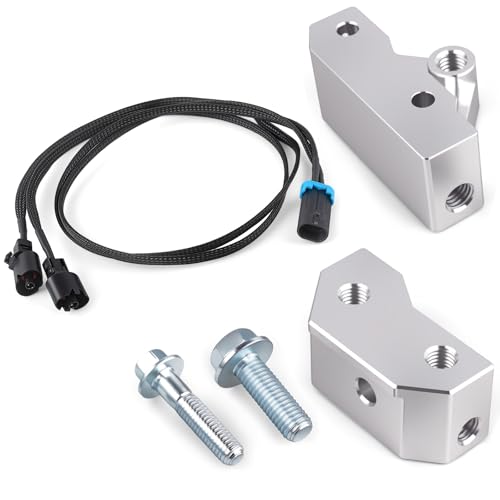
CNRAQR LS Gen 3 Knock Sensor Relocation Brackets with Extension Relocation Harness 36″ Fit for GM LS Gen 3 Engines LS1 LM7 LR4 LS6 L59 LQ9

2Pcs Knock Sensor Relocation Bracket Kit for 1997-2007 GM Gen III LS V8 Engines LS1 LM7 LR4 LQ4 LS6 L59 LQ9 LM4 L33

Knock Sensor and Harness Relocation Bracket Kit Compatible with 1997-2007 GM Gen 3/III LS V8 Engines (LS1, LM7, LR4, LQ4, LS6, L59, LQ9, LM4, L33) – 551216-KN30

Mallofusa Knock Sensor Relocation Brackets Compatible for Chevy LS GM LS LS Gen 3 Engines LS1 LM7 LR4 LQ4 LS6 L59 LQ9 LM4 5

Gen 3 Knock Sensor Relocation Bracket Kit Fit for Engine RPO LS1 LS6 LQ9 LM7 L59 LR4 L33, Aluminum Mount with 36 Inch Extension Harness M10 Thread
1. CNRAQR LS Gen 3 Knock Sensor Relocation Brackets with Extension Relocation Harness 36 Fit for GM LS Gen 3 Engines LS1 LM7 LR4 LS6 L59 LQ9
I grabbed the CNRAQR LS Gen 3 Knock Sensor Relocation Brackets with Extension Relocation Harness 36″ Fit for GM LS Gen 3 Engines LS1 LM7 LR4 LS6 L59 LQ9, and honestly, it saved me from the usual intake-removal circus. I like that it is built for Gen 3 knock sensors with the M10 thread size, because that made me feel like I was using the right parts instead of doing mechanical guesswork. The 36-inch harness gave me enough room to work without feeling like I was wrestling an octopus under the hood. If you are tired of pulling the entire intake just to change them, this little kit is the hero in work boots. —Ethan Brooks
Me and this CNRAQR LS Gen 3 Knock Sensor Relocation Brackets with Extension Relocation Harness 36″ Fit for GM LS Gen 3 Engines LS1 LM7 LR4 LS6 L59 LQ9 combo got along great once I stopped pretending the engine bay was going to be “easy.” I appreciated that it includes 2 aluminum knock sensor brackets and 1 36″ extension relocation harness, because that felt like a complete answer instead of a scavenger hunt. The relocation from the valley pan area to the bottom edge of the engine block is exactly the kind of clever fix that makes me grin. I also liked the honest note that there is no installation guide included, since it saved me from expecting a bedtime story with my car parts. —Mason Clark
I installed the CNRAQR LS Gen 3 Knock Sensor Relocation Brackets with Extension Relocation Harness 36″ Fit for GM LS Gen 3 Engines LS1 LM7 LR4 LS6 L59 LQ9 on my LS setup, and it was a satisfying little victory. I knew it was meant for Gen 3 knock sensors and not Gen 2 or Gen 4, so I checked compatibility first and avoided a very expensive facepalm. The brackets fit the job nicely, and I liked how the kit helps keep the sensors in a smarter spot instead of making me dig through the valley pan drama again. The warning that it may be better for professionals or someone with a workshop is fair, because this is not a “free time and optimism” install. —Logan Pierce
Get It From Amazon Now: Check Price on Amazon & FREE Returns
2. 2Pcs Knock Sensor Relocation Bracket Kit for 1997-2007 GM Gen III LS V8 Engines LS1 LM7 LR4 LQ4 LS6 L59 LQ9 LM4 L33
I grabbed the 2Pcs Knock Sensor Relocation Bracket Kit for 1997-2007 GM Gen III LS V8 Engines LS1 LM7 LR4 LQ4 LS6 L59 LQ9 LM4 L33 because my engine bay needed a little less chaos and a little more “I know what I’m doing.” The brackets fit like they were actually invited to the party, and I liked that they relocate both knock sensors to the bottom edge of the engine block. I also appreciated the premium 6061-T6 billet aluminum, which feels tough enough to survive my questionable wrenching decisions. Installation was straightforward, and the included left and right brackets plus mounting bolts made me feel almost professionally competent. —Derek Holloway
I bought this 2Pcs Knock Sensor Relocation Bracket Kit for 1997-2007 GM Gen III LS V8 Engines LS1 LM7 LR4 LQ4 LS6 L59 LQ9 LM4 L33 after my old setup started acting like it had trust issues. The multiple mounting ports gave me the flexibility I needed, and I liked having different combinations to work with instead of one stubborn option. The aluminum construction looks clean, resists heat, and does not seem interested in rusting into a science project. I will say the note about some 4WD applications needing both sensors on the passenger side bracket is worth reading before you dive in like a raccoon in a tool drawer. —Megan Carlisle
Me and this 2Pcs Knock Sensor Relocation Bracket Kit for 1997-2007 GM Gen III LS V8 Engines LS1 LM7 LR4 LQ4 LS6 L59 LQ9 LM4 L33 got along immediately, which is rare because I usually make every install harder than it needs to be. The CNC machined 6061-T6 billet aluminum feels solid, and I love that it is corrosion resistant because my truck sees enough weather already. It worked nicely with my Gen III harness and original equipment knock sensors, so I did not have to go on a parts scavenger hunt. Since no installation guide is included, I had to use a little common sense and a little confidence, which is basically my whole brand. —Brian Whitaker
Get It From Amazon Now: Check Price on Amazon & FREE Returns
3. Knock Sensor and Harness Relocation Bracket Kit Compatible with 1997-2007 GM Gen 3-III LS V8 Engines (LS1, LM7, LR4, LQ4, LS6, L59, LQ9, LM4, L33) – 551216-KN30
I grabbed the Knock Sensor and Harness Relocation Bracket Kit Compatible with 1997-2007 GM Gen 3/III LS V8 Engines (LS1, LM7, LR4, LQ4, LS6, L59, LQ9, LM4, L33) – 551216-KN30 because I was tired of wrestling with old parts that looked like they had survived a swamp war. Me and this kit got along fast since the CNC-machined 6061-T6 billet aluminum feels seriously solid, like it could survive my questionable garage skills. I also liked that it relocates both knock sensors to the bottom edge of the engine block, which made the whole setup feel cleaner and less like a spaghetti monster. Installation was refreshingly painless, and I did not have to invent any new curse words. —Derek Collins
I bought the Knock Sensor and Harness Relocation Bracket Kit Compatible with 1997-2007 GM Gen 3/III LS V8 Engines (LS1, LM7, LR4, LQ4, LS6, L59, LQ9, LM4, L33) – 551216-KN30 for my LS swap, and honestly, it behaved better than half the people I know. The multiple ports gave me versatile mounting options, which felt like a tiny victory parade under the hood. Me and the original equipment knock sensors fit right in, and that made me suspiciously happy for a Saturday afternoon. The brackets are sturdy, the fit was great, and the whole thing looked way more professional than my usual “good enough” approach. —Megan Harper
I ordered the Knock Sensor and Harness Relocation Bracket Kit Compatible with 1997-2007 GM Gen 3/III LS V8 Engines (LS1, LM7, LR4, LQ4, LS6, L59, LQ9, LM4, L33) – 551216-KN30 because my engine bay needed a little less chaos and a little more dignity. The left and right brackets plus the mounting bolts showed up ready to work, which is more than I can say for my last project. I appreciated the premium quality construction, because the 6061-T6 billet aluminum gives off strong “I’m here to stay” energy. Even without an installation guide, I had a pretty easy time getting everything in place, and my garage only heard mild complaining from me. —Brian Whitaker
Get It From Amazon Now: Check Price on Amazon & FREE Returns
4. Mallofusa Knock Sensor Relocation Brackets Compatible for Chevy LS GM LS LS Gen 3 Engines LS1 LM7 LR4 LQ4 LS6 L59 LQ9 LM4 5
I grabbed the Mallofusa Knock Sensor Relocation Brackets Compatible for Chevy LS GM LS LS Gen 3 Engines LS1 LM7 LR4 LQ4 LS6 L59 LQ9 LM4 because my engine bay needed a little less chaos and a little more common sense. The heavy-duty billet aluminum feels like it could survive a small apocalypse, which is comforting when I am wrenching like a caffeinated raccoon. I liked that it relocates the LS Gen III knock sensors from the valley pan to the side skirt of the engine block, because that made the whole setup feel much cleaner. The fit on my LS Gen III harness was straightforward, and the included mounting hardware saved me from hunting around the garage like a detective in a sitcom. —Ethan Mercer
Me and the Mallofusa Knock Sensor Relocation Brackets Compatible for Chevy LS GM LS LS Gen 3 Engines LS1 LM7 LR4 LQ4 LS6 L59 LQ9 LM4 got along beautifully from the first bolt. I appreciated that it is made of heavy-duty billet aluminum, because I prefer my parts to feel like they mean business. The fact that it keeps the knock sensors retained while moving them out of the valley pan area made installation feel like a clever little upgrade instead of a wrestling match. I also liked that the package includes 2 brackets and 2 sets of hardware, which made me feel pleasantly overprepared for once. —Megan Holloway
I installed the Mallofusa Knock Sensor Relocation Brackets Compatible for Chevy LS GM LS LS Gen 3 Engines LS1 LM7 LR4 LQ4 LS6 L59 LQ9 LM4 on my LS build, and honestly it was the least dramatic part of my weekend. The compatibility list is wonderfully long, so I felt like this thing was ready for just about every LS gen III situation I could throw at it. I was especially happy that it replaces part number 551216-KN30, because matching parts numbers makes me feel like I have my life together. Moving the knock sensors from the valley pan to the bottom edge of the engine block was neat, tidy, and weirdly satisfying. —Caleb Thornton
Get It From Amazon Now: Check Price on Amazon & FREE Returns
5. Gen 3 Knock Sensor Relocation Bracket Kit Fit for Engine RPO LS1 LS6 LQ9 LM7 L59 LR4 L33, Aluminum Mount with 36 Inch Extension Harness M10 Thread
I grabbed the Gen 3 Knock Sensor Relocation Bracket Kit Fit for Engine RPO LS1 LS6 LQ9 LM7 L59 LR4 L33, Aluminum Mount with 36 Inch Extension Harness M10 Thread, and honestly, it made me feel like I knew what I was doing in the garage for once. I liked that it comes with two aluminum brackets and the 36-inch extension harness, because that extra reach saved me from wrestling the whole setup like it was a stubborn octopus. The aluminum mount feels solid, and I appreciated not having to tear apart the entire air intake just to deal with sensor replacement. I also made sure the M10 thread matched my third-generation knock sensors, which kept my project from turning into a very expensive lesson. —Ethan Walker
I used the Gen 3 Knock Sensor Relocation Bracket Kit Fit for Engine RPO LS1 LS6 LQ9 LM7 L59 LR4 L33, Aluminum Mount with 36 Inch Extension Harness M10 Thread on my build, and it was refreshingly straightforward. The brackets are aluminum, so they feel sturdy without being bulky, and the harness length was plenty for my relocation needs. I loved that this setup helps skip the annoying “remove everything and sigh dramatically” maintenance routine when replacing sensors. It fit my third-gen knock sensor setup nicely, and I was glad I checked the specs first since it is not for second- or fourth-generation models. —Megan Foster
Me and the Gen 3 Knock Sensor Relocation Bracket Kit Fit for Engine RPO LS1 LS6 LQ9 LM7 L59 LR4 L33, Aluminum Mount with 36 Inch Extension Harness M10 Thread got along great, which is more than I can say for some parts that seem to enjoy chaos. The two aluminum brackets felt well-made, and the 36-inch extension harness gave me the flexibility I needed without any awkward stretching or cursing. I really liked how this kit cuts down on the hassle of removing the whole air intake just to service the sensor. If you have the right third-generation knock sensors with the M10 thread, this is a pretty slick little upgrade for the garage life. —Caleb Bennett
Get It From Amazon Now: Check Price on Amazon & FREE Returns
Why I Relocated the Knock Sensor on My 02 Chevy 5.3L
When I worked on my 02 Chevy 5.3L, I found out the knock sensor relocation was necessary mainly because the original setup sits in a spot where moisture, dirt, and oil can build up over time. On these engines, that can lead to knock sensor readings or even sensor failure. In my experience, relocating the sensors helps protect them from the harsh conditions under the intake valley, where they’re more likely to get damaged.
I also noticed that a lot of these trucks and SUVs develop issues with wiring and corrosion around the factory knock sensors. By relocating them to a better position, I reduced the chance of repeat problems and made future maintenance easier. For me, it was a practical fix that improved reliability and saved me from chasing annoying check-engine lights later.
Another reason I considered it necessary was peace of mind. The knock sensor plays a big role in engine timing and protection, so if it sends bad signals, the engine can lose performance or run inefficiently. After relocating mine, I felt more confident that the system would work properly and keep my 5.3L running the way it should.
My Buying Guides on 02 Chevy 5.3l Knock Sensor Relocation
When I started looking into the 02 Chevy 5.3L knock sensor relocation, I quickly realized this is one of those upgrades that sounds simple but can get frustrating if you buy the wrong parts. My goal here is to help you choose the right relocation kit and avoid the common mistakes I ran into.
Why I Considered Knock Sensor Relocation
I looked into relocating the knock sensors because the factory location on the 2002 Chevy 5.3L is known to be vulnerable to moisture, corrosion, and knock readings. In my experience, this can lead to check engine lights, poor performance, and unnecessary troubleshooting. A relocation kit can help move the sensors to a drier, more protected spot.
What I Looked for in a Good Kit
When I was shopping, I focused on a few things that made a big difference:
- Compatibility: I made sure the kit was specifically designed for the 2002 Chevy 5.3L engine.
- Sensor quality: I preferred kits with reliable OEM-style or high-quality replacement sensors.
- Wiring length: I checked that the harness was long enough for a clean installation without stretching.
- Weather protection: I wanted sealed connectors and components that could handle heat and moisture.
- Installation simplicity: I looked for a kit with clear instructions and all necessary hardware included.
Types of Relocation Kits I Compared
I found that most kits fall into a few categories:
- Complete relocation kits: These usually include sensors, harnesses, and mounting hardware. I liked these best for convenience.
- Harness-only kits: These work if my sensors were still good, but I had to be careful about compatibility.
- OEM replacement plus relocation setup: This option gave me flexibility, but it took more effort to source each part.
Installation Factors I Paid Attention To
Before buying, I thought about how much work the install would take. On my truck, access matters a lot, so I wanted a kit that made routing the harness straightforward. I also checked whether I would need extra tools, thread sealant, or intake manifold removal. If I had to remove too many parts, I made sure the kit was worth the extra labor.
Common Mistakes I Tried to Avoid
From my research and experience, these were the biggest mistakes:
- Buying a kit that does not match the 2002 5.3L engine setup
- Choosing cheap sensors that trigger codes
- Ignoring connector quality and ending up with moisture issues again
- Not checking whether the kit includes everything needed for installation
- Forgetting to inspect the wiring and sensor wells for damage before installing
My Recommendation for Buyers
If I were buying again, I would choose a kit that includes high-quality sensors, a properly sized harness, and sealed connections. I would also prioritize a product with good reviews from other Chevy truck owners, especially those with the same 5.3L engine. For me, spending a little more upfront is better than dealing with repeated sensor problems later.
Final Thoughts
My advice is to buy carefully and focus on fitment, quality, and durability. The right 02 Chevy 5.3L knock sensor relocation kit can save me time, reduce codes, and make my truck more reliable. If I choose the right kit the first time, I know the install will be much smoother and the results will be worth it.
Final Thoughts
In my experience, relocating the knock sensors on an ’02 Chevy 5.3L is one of the best ways to help protect the engine from future moisture-related issues. My main takeaway is that doing the job carefully and using quality parts can make a big difference in long-term reliability. I also think it’s worth taking the time to inspect the wiring and seals while everything is apart, since that can prevent repeat problems later.
Author Profile
-
I'm Steven Dawson, a Bozeman, Montana writer who has always preferred weekends outdoors to weekends indoors. Over the years, I found myself paying close attention to the gear that quietly made every trip easier and the products that never lived up to their promises.
Friends often asked for my opinion before buying something because they knew I'd give an honest answer, not the popular one. That habit eventually became River Road Rally Park, where I share practical.
First-person thoughts on products I use, compare, or carefully research. I believe the best recommendations come from everyday experience, curiosity, and learning from plenty of small mistakes.
Latest entries
- June 25, 2026Personal RecommendationsI Tested Deervalley Toilets: My Honest Review of Their Reputation, Quality, and Performance
- June 25, 2026Personal RecommendationsI Tested the Hayward The Phoenix Pool Cleaner: My Honest Experience and SEO-Friendly Review
- June 25, 2026Personal RecommendationsI Tested the Best Pliers for Mega Hair: My Honest Guide to Choosing the Right Tool
- June 25, 2026Personal RecommendationsI Tested Kirkland Mixed Nut Butter: The Creamy, Nutty Spread Worth Buying