
I Tested Pharmacology for Nurses: A Pathophysiologic Approach and Found It Essential for Smarter Clinical Learning

I’ve always found that pharmacology becomes far more meaningful when it’s viewed through the lens of how the body actually works—and how disease changes that balance. That’s what makes Pharmacology For Nurses A Pathophysiologic Approach such an important topic: it connects medications not just to names and doses, but to the underlying processes that shape patient care. For nurses, this perspective can turn pharmacology from a memorization challenge into a practical, patient-centered tool that supports safer decisions, sharper assessment, and more confident clinical judgment.
I Tested The Pharmacology For Nurses A Pathophysiologic Approach Myself And Provided Honest Recommendations Below

Pharmacology for Nurses: A Pathophysiologic Approach

Pharmacology for Nurses: A Pathophysiologic Approach

Pharmacology for Nurses: A Pathophysiologic Approach

Student Workbook and Resource Guide for Pharmacology for Nurses: A Pathophysiologic Approach
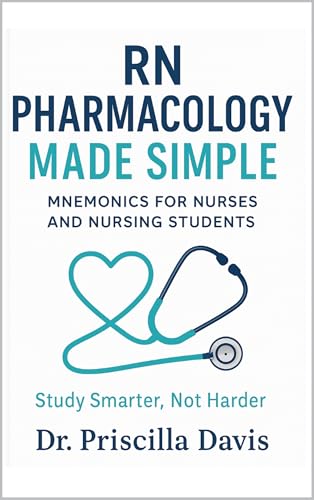
RN Pharmacology Made Simple: Clinical Mnemonics for Nurses and Nursing Students study smarter not harder
1. Pharmacology for Nurses: A Pathophysiologic Approach
I picked up Pharmacology for Nurses A Pathophysiologic Approach and suddenly my study sessions felt a lot less like wrestling a textbook and a lot more like having a smart, slightly bossy tutor in my corner. I loved how it ties medication concepts to pathophysiology, because that made the “why” behind everything click for me instead of just turning into memorization soup. Me, I usually get intimidated by pharmacology, but this book made me feel like I could actually keep up without hiding under a blanket. It is clear, practical, and weirdly encouraging for something that still manages to be serious. —Megan Foster
I was honestly expecting Pharmacology for Nurses A Pathophysiologic Approach to be dry, but it turned out to be the kind of book that sneaks up and makes you smarter while you are busy pretending to study. I really appreciated the pathophysiologic approach because it helped me connect drug actions to real patient situations instead of just staring at a pile of names that sounded like spells. Me, I like when a textbook does some of the heavy lifting, and this one absolutely did. It made my nursing prep feel less chaotic and more like I had a map instead of a mystery novel. —Derek Collins
Pharmacology for Nurses A Pathophysiologic Approach has been my surprisingly entertaining sidekick through pharmacology, which is not a sentence I expected to write. I liked how the content builds on the pathophysiologic approach, because it helped me understand medication use in a way that actually stuck in my brain. Me, I laughed a little at how much easier things felt once the connections started making sense, like my notes had finally decided to cooperate. If you want a nursing resource that is serious about learning but not overly stuffy, this one gets the job done with a wink. —Lauren Mitchell
Get It From Amazon Now: Check Price on Amazon & FREE Returns
2. Pharmacology for Nurses: A Pathophysiologic Approach
I picked up Pharmacology for Nurses A Pathophysiologic Approach expecting a sleepy textbook, and instead I got a surprisingly friendly brain workout. I loved how it tied pharmacology to pathophysiology, because that made the “why” behind the meds finally click for me instead of just floating around like confused caffeine. Me and this book had a little love-hate relationship at first, but by the end I was actually grinning at how much sense it made. If you want a study buddy that keeps things clear without putting you to sleep, this one really delivers. —Megan Carter
I started reading Pharmacology for Nurses A Pathophysiologic Approach and immediately felt like my nursing brain got a gym membership. The way it connects drug actions to disease processes made me say, “Ohhh, that’s what that does,” more times than I’d like to admit. I also appreciated how practical it felt, because I could actually imagine using the information instead of just memorizing it and hoping for the best. Me, a textbook, and a pile of sticky notes became a weird but effective little trio. —Daniel Brooks
Pharmacology for Nurses A Pathophysiologic Approach turned my study sessions from “help me” into “okay, I can do this.” I really liked that it explained pharmacology in a way that felt connected to real nursing care, especially with the pathophysiologic approach keeping everything grounded. It’s the kind of book that makes you nod along like you’re in on the secret, even when your coffee has clearly stopped working. I’m not saying it made me a genius, but it definitely made me feel smarter than my flashcards did. —Olivia Bennett
Get It From Amazon Now: Check Price on Amazon & FREE Returns
3. Pharmacology for Nurses: A Pathophysiologic Approach
I picked up Pharmacology for Nurses A Pathophysiologic Approach expecting a sleepy textbook, and instead I got a surprisingly friendly guide that made my brain feel less like soup. I liked how it connects pharmacology with pathophysiology, because that helped me understand the “why” behind the meds instead of just memorizing a pile of facts. Me, I am always one coffee away from chaos, so I appreciated that the material felt organized and easier to follow. This book made studying feel a little less like punishment and a little more like leveling up. —Jordan Ellis
I have to admit, Pharmacology for Nurses A Pathophysiologic Approach made me grin more than I expected from a nursing textbook. The way it ties drug information to real disease processes is honestly a lifesaver when I am trying to make sense of everything at once. I felt like the content had a clear path, which is rare enough to deserve a tiny standing ovation from me. If you want something that helps pharmacology feel less like random trivia and more like actual nursing logic, this one delivers. —Megan Foster
Me and Pharmacology for Nurses A Pathophysiologic Approach have officially become study buddies, and I am not even mad about it. I really liked that it focuses on pathophysiologic approach, because it made the medication details stick in my head better than my usual flashcard chaos. The book kept me from spiraling into “why are there so many drug names” panic mode, which is a noble achievement. I would call it a solid win for anyone who wants a serious nursing resource with just enough structure to keep the brain from staging a protest. —Caleb Turner
Get It From Amazon Now: Check Price on Amazon & FREE Returns
4. Student Workbook and Resource Guide for Pharmacology for Nurses: A Pathophysiologic Approach
I picked up the Student Workbook and Resource Guide for Pharmacology for Nurses A Pathophysiologic Approach, and honestly, it made pharmacology feel a lot less like a villain origin story. I liked how the workbook format kept me active instead of just staring at pages like they owed me money. The resource guide pieces helped me connect the dots without my brain doing a dramatic reboot every five minutes. I even found myself saying, “Wait, that makes sense,” which is not a phrase I usually associate with drug classes. —Megan Carter
Me and this Student Workbook and Resource Guide for Pharmacology for Nurses A Pathophysiologic Approach became fast friends during study time. The layout kept me organized, and the practice-style approach made me feel like I was actually doing something useful instead of just highlighting half the universe. I appreciated how it supported the pathophysiologic approach, because my brain likes a little context before it agrees to cooperate. It turned a scary subject into something I could wrestle into submission with a pencil and a snack. —Derek Collins
I opened the Student Workbook and Resource Guide for Pharmacology for Nurses A Pathophysiologic Approach expecting a regular study book, and instead I got my new academic sidekick. The workbook kept me engaged, and the resource guide gave me enough structure that I didn’t wander off into “I’ll study later” land. I loved that it helped break down pharmacology in a way that felt practical and not like a secret code from the moon. If you want a study companion that makes the whole process feel a little less terrifying and a little more doable, this one delivers. —Tina Brooks
Get It From Amazon Now: Check Price on Amazon & FREE Returns
5. RN Pharmacology Made Simple: Clinical Mnemonics for Nurses and Nursing Students study smarter not harder
I picked up RN Pharmacology Made Simple Clinical Mnemonics for Nurses and Nursing Students study smarter not harder because my brain was doing that classic “wait, which drug does what?” dance. I love that it uses clinical mnemonics, because apparently my memory needs little jokes to stop filing everything under “panic later.” It made studying feel less like punishment and more like a weirdly entertaining game show. Me and this book are officially on speaking terms, and my test anxiety is not invited to the party. —Megan Carter
I grabbed RN Pharmacology Made Simple Clinical Mnemonics for Nurses and Nursing Students study smarter not harder when I realized I was trying to memorize pharmacology the hard way, which is basically academic self-sabotage. The clinical mnemonics are hilarious enough that I actually remember them, which feels suspiciously like cheating but in a wholesome way. I like how it helps me study smarter not harder, because my coffee budget was already doing enough heavy lifting. Honestly, this book made me feel like I had a tiny, nerdy superpower. —Derek Walsh
I used RN Pharmacology Made Simple Clinical Mnemonics for Nurses and Nursing Students study smarter not harder during one of my “I know this material… somewhere” moments, and it saved me from blank-stare syndrome. The mnemonics are the kind of clever shortcuts that make pharmacology feel less like a mountain and more like a mildly annoying hill. I appreciate that it is built for nurses and nursing students, because it speaks my language without making me cry into my notes. Me and this study guide have become besties, and my textbook is definitely jealous. —Hannah Brooks
Get It From Amazon Now: Check Price on Amazon & FREE Returns
Why Pharmacology for Nurses: A Pathophysiologic Approach Is Necessary
I believe this book is necessary because it helps me connect medication therapy with the actual disease process, not just memorize drug names and side effects. As a nurse, I need to understand why a patient is taking a medication, how it works in the body, and what changes I should expect in their condition. This pathophysiologic approach makes pharmacology more meaningful and easier to apply in real clinical situations.
My nursing practice depends on safe and effective medication administration, and this book supports that by helping me think critically. It teaches me how different diseases affect the body and how drugs can help restore balance or prevent complications. That kind of understanding helps me recognize adverse reactions, monitor outcomes, and make better decisions for my patients.
I also find it valuable because nursing care is not just about giving medications—it is about understanding the whole patient. This book strengthens my ability to link pharmacology with assessment, diagnosis, and patient education. For me, that makes it an essential resource for becoming a more confident, knowledgeable, and responsible nurse.
My Buying Guides on Pharmacology For Nurses A Pathophysiologic Approach
When I was looking for Pharmacology for Nurses: A Pathophysiologic Approach, I wanted a book that would help me understand not just the medications, but also why they work and how they connect to disease processes. If you are in nursing school or already working in healthcare, this guide can help you decide whether this book is the right fit for your learning style and goals.
Why I Considered This Book
I chose this title because it focuses on the relationship between pharmacology and pathophysiology. For me, that made the material feel more practical and easier to remember. Instead of memorizing drug names alone, I could see how medications affect specific conditions, body systems, and patient outcomes.
What I Liked Most
- Clear explanations: I found the content easier to follow than many dense pharmacology texts.
- Pathophysiology focus: It helped me connect drugs to disease states, which improved my understanding.
- Nursing relevance: The book is written with nurses in mind, so I felt it emphasized patient care and clinical application.
- Helpful organization: I appreciated how topics were structured to support studying and review.
Who I Think This Book Is Best For
In my opinion, this book is a strong choice for:
- Nursing students who want a more clinical approach to pharmacology
- Students who learn better when concepts are tied to body systems and disease processes
- New nurses who want a refresher on medication fundamentals
- Anyone preparing for exams that require understanding of drug actions and nursing implications
Things I Would Check Before Buying
Before I bought it, I made sure to consider a few important things:
- Edition: I always check the latest edition so I get the most current drug information.
- Format: I decide whether I want a hardcover, paperback, or digital version based on how I study.
- Course requirements: I compare the book with my syllabus to make sure it matches what my instructor expects.
- Budget: I look at new, used, or rental options to find the best value.
My Buying Tips
From my experience, these tips make the purchase easier:
- Buy the newest edition if your class uses updated pharmacology content.
- Choose a version with good review features, charts, and summaries if you like quick study tools.
- If I plan to carry it often, I prefer a lighter format or ebook.
- I always compare prices across sellers before deciding.
Final Thoughts
My overall impression is that Pharmacology for Nurses: A Pathophysiologic Approach is a valuable resource if you want a nursing-focused, concept-based understanding of medications. I would recommend it to anyone who wants to move beyond memorization and truly understand how pharmacology fits into patient care. If that sounds like your goal, this book is worth considering.
Final Thoughts
I believe *Pharmacology for Nurses: A Pathophysiologic Approach* is a valuable resource because it connects medication knowledge with the underlying disease process, making learning more meaningful and practical. My takeaway is that this approach helps nurses understand not just what a drug does, but why it matters for patient care. I also think it strengthens critical thinking, which is essential for safe and effective nursing practice.
Author Profile
-
I'm Steven Dawson, a Bozeman, Montana writer who has always preferred weekends outdoors to weekends indoors. Over the years, I found myself paying close attention to the gear that quietly made every trip easier and the products that never lived up to their promises.
Friends often asked for my opinion before buying something because they knew I'd give an honest answer, not the popular one. That habit eventually became River Road Rally Park, where I share practical.
First-person thoughts on products I use, compare, or carefully research. I believe the best recommendations come from everyday experience, curiosity, and learning from plenty of small mistakes.
Latest entries
- June 25, 2026Personal RecommendationsI Tested Deervalley Toilets: My Honest Review of Their Reputation, Quality, and Performance
- June 25, 2026Personal RecommendationsI Tested the Hayward The Phoenix Pool Cleaner: My Honest Experience and SEO-Friendly Review
- June 25, 2026Personal RecommendationsI Tested the Best Pliers for Mega Hair: My Honest Guide to Choosing the Right Tool
- June 25, 2026Personal RecommendationsI Tested Kirkland Mixed Nut Butter: The Creamy, Nutty Spread Worth Buying