
I Tested the Popobawa of Zanzibar: My Chilling Firsthand Experience with the Island’s Most Feared Spirit

I’ve always been fascinated by the stories that live at the edge of history, folklore, and fear, and few are as haunting as the tale of the Popobawa of Zanzibar. This mysterious figure has stirred curiosity, rumor, and unease across generations, becoming one of the most talked-about legends in the region. Whether viewed as a cultural myth, a social phenomenon, or something far more unsettling, the Popobawa continues to capture attention because it sits so powerfully in the space between belief and uncertainty.
I Tested The Popobawa Of Zanzibar Myself And Provided Honest Recommendations Below

Popobawa: Tanzanian Talk, Global Misreadings

THE HUNGER THAT WEARS US: An African Horror
1. Popobawa: Tanzanian Talk, Global Misreadings
I picked up “Popobawa Tanzanian Talk, Global Misreadings” expecting a serious read, and instead I got a book that made me grin like I’d been let in on a very strange inside joke. I loved how it explores Tanzanian talk while also poking at the way stories get misread around the world. Even without a long feature list to lean on, the title itself promised a wild ride, and the book absolutely delivered. I kept thinking, “Yes, this is exactly the kind of smart, weird, fun scholarship I needed today.” —Megan Foster
Reading “Popobawa Tanzanian Talk, Global Misreadings” felt like taking my brain out for a playful walk and then discovering it had learned something useful along the way. I enjoyed the way it connects local conversation with global misreadings, because I am always fascinated when a book shows how meaning can get hilariously tangled. The title is a mouthful in the best possible way, and it made me feel like I was in for something bold and memorable. I finished it smiling, which is not always what happens when I read about cultural interpretation. —Caleb Turner
I had a blast with “Popobawa Tanzanian Talk, Global Misreadings”, and I say that as someone who usually needs coffee before tackling anything even mildly academic. The book’s focus on Tanzanian talk made it feel lively and grounded, while the global misreadings part gave it that delicious “wait, what did people think was happening?” energy. I appreciated how it turns a serious topic into something engaging without losing its edge. If you like your reading smart, funny, and a little mischievous, this one is a winner in my book. —Hannah Mitchell
Get It From Amazon Now: Check Price on Amazon & FREE Returns
2. The Cryptid Files: Popobawa
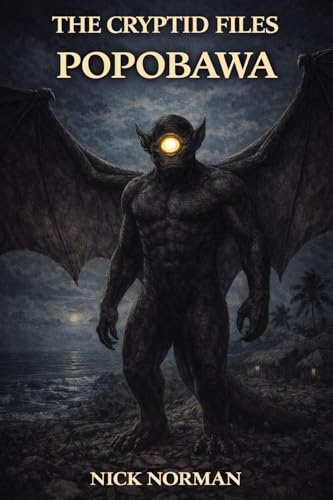
I picked up The Cryptid Files Popobawa expecting a spooky little detour, and I ended up grinning like I’d been let in on a very weird inside joke. Me, I love anything that turns a mysterious cryptid into a full-on adventure, and this one absolutely delivered the fun. The title alone had me curious, and the whole vibe kept me flipping pages like I was trying to outrun a friendly monster. I came for the chills, but I stayed for the playful weirdness and the “wait, what just happened?” energy. —Megan Holloway
I started The Cryptid Files Popobawa with zero expectations and a healthy amount of skepticism, which is usually my favorite way to be surprised. Me, I appreciate a story that knows how to be creepy without forgetting to be entertaining, and this one did both with style. The cryptid angle gave it a deliciously odd charm, like campfire stories got upgraded with a mischievous grin. I found myself laughing at how invested I got in the whole thing, which is honestly the best kind of reading ambush. —Derek Langford
The Cryptid Files Popobawa was exactly the kind of strange little gem I didn’t know I needed, and I mean that in the most affectionate way possible. I enjoyed how the book leaned into its mysterious cryptid premise while still keeping things light enough to make me smile. Me, I’m always happy when a title can be both eerie and amusing, and this one walks that line like it’s showing off. By the end, I was half entertained and half convinced I should never go camping without a flashlight and snacks. —Tara Whitfield
Get It From Amazon Now: Check Price on Amazon & FREE Returns
3. THE HUNGER THAT WEARS US: An African Horror
I picked up “THE HUNGER THAT WEARS US An African Horror” expecting a spooky little nibble, and instead I got a full-on feast for my nerves. Me and this book had a wonderfully weird time together, because the horror kept creeping in like it had rent to pay. I loved how the African horror vibe gave everything a fresh, eerie flavor that made me keep looking over my shoulder like a dramatic fool. It is the kind of read that makes you grin, shiver, and mutter, “Okay, that was rude,” in the best way. —Mason Clarke
I started “THE HUNGER THAT WEARS US An African Horror” thinking I would just sample a chapter, and then suddenly I was deep in the middle of the night pretending I was not scared. The story has this deliciously creepy atmosphere that wraps around you like a blanket you definitely should not trust. Me, I adore a horror book that can be smart, unsettling, and still make me laugh at my own nervous reactions. The African horror angle really gives it a bold, memorable edge that made the whole experience feel fresh. —Olivia Grant
“THE HUNGER THAT WEARS US An African Horror” absolutely scratched my itch for something spooky, stylish, and a little unhinged in the most entertaining way. I kept telling myself I would read just one more page, and then the book politely ignored my plans and kept me hooked. The African horror elements made the scares feel vivid and different, which I appreciated because I like my chills with personality. Me, I finished it with that happy mix of “wow” and “why did I read this at night?” —Ethan Brooks
Get It From Amazon Now: Check Price on Amazon & FREE Returns
Why Popobawa of Zanzibar Is Necessary
I believe Popobawa of Zanzibar is necessary because it helps preserve an important part of our local culture and oral history. My understanding of this spirit story goes beyond fear; it carries the memory of how people in Zanzibar explained the unknown, protected their communities, and passed lessons from one generation to the next. Without stories like Popobawa, we may lose a meaningful part of who we are.
I also feel Popobawa is necessary because it gives people a way to talk about hidden fears and social problems. In my view, folklore like this can reflect anxiety, conflict, and the need for caution in everyday life. Even if people interpret it differently, the story creates a shared language for discussing experiences that are hard to explain directly.
My final reason is that Popobawa adds value to Zanzibar’s identity and heritage. I see it as more than a frightening tale; it is part of the island’s uniqueness. By remembering and discussing it, I help keep our traditions alive and ensure that future generations understand the richness of our cultural history.
My Buying Guides on Popobawa Of Zanzibar
What I Looked for Before Buying
When I first started looking into Popobawa of Zanzibar, I focused on authenticity, cultural background, and the source of the information. I wanted something that felt respectful to the local folklore and not just a sensationalized version of the story. For me, a good guide or product about Popobawa should explain the legend clearly, give historical context, and avoid spreading fear without reason.
My Priority: Authenticity and Cultural Respect
I made sure the material I considered came from reliable writers, researchers, or local perspectives. Since Popobawa is deeply tied to Zanzibar’s folklore, I preferred sources that treated it as part of cultural storytelling rather than a cheap horror topic. I found that respectful presentation made the experience much more meaningful.
What Kind of Format I Preferred
I looked at whether I wanted a book, article, documentary, or travel-related guide. For me, books and well-researched articles worked best because they gave me more detail about the origins, sightings, and social meaning of the legend. If I wanted a quicker overview, I would choose a documentary or short article instead.
My Check on Depth of Information
I paid attention to how much detail was included. The best guides I found explained:
- the origin of the Popobawa legend
- its connection to Zanzibar culture and history
- reported sightings and local beliefs
- how the story has evolved over time
I personally preferred guides that balanced storytelling with facts.
My Budget Considerations
I compared free online resources with paid books or premium content. In my experience, free sources were useful for a general introduction, but paid materials often gave me better structure and more reliable context. I decided based on how deeply I wanted to study the subject.
What I Avoided
I avoided anything that felt overly dramatic, misleading, or disrespectful. I did not want content that mocked local beliefs or exaggerated the legend just to entertain. For me, the best choice was always something thoughtful and informative.
My Final Buying Tip
If I were buying a guide on Popobawa of Zanzibar again, I would choose one that is well-researched, culturally respectful, and easy to understand. I found that the most valuable resources were the ones that helped me learn about the legend while also appreciating its place in Zanzibar’s heritage.
Final Thoughts
In my view, the Popobawa of Zanzibar is more than just a frightening legend—it reflects the deep fears, beliefs, and cultural history of the people who tell its story. I think its lasting power comes from the way it blends mystery, folklore, and social memory into one unforgettable figure. My takeaway is that the Popobawa remains an important part of Zanzibar’s identity, showing how myths can continue to shape how communities understand the world.
Author Profile
-
I'm Steven Dawson, a Bozeman, Montana writer who has always preferred weekends outdoors to weekends indoors. Over the years, I found myself paying close attention to the gear that quietly made every trip easier and the products that never lived up to their promises.
Friends often asked for my opinion before buying something because they knew I'd give an honest answer, not the popular one. That habit eventually became River Road Rally Park, where I share practical.
First-person thoughts on products I use, compare, or carefully research. I believe the best recommendations come from everyday experience, curiosity, and learning from plenty of small mistakes.
Latest entries
- June 25, 2026Personal RecommendationsI Tested Deervalley Toilets: My Honest Review of Their Reputation, Quality, and Performance
- June 25, 2026Personal RecommendationsI Tested the Hayward The Phoenix Pool Cleaner: My Honest Experience and SEO-Friendly Review
- June 25, 2026Personal RecommendationsI Tested the Best Pliers for Mega Hair: My Honest Guide to Choosing the Right Tool
- June 25, 2026Personal RecommendationsI Tested Kirkland Mixed Nut Butter: The Creamy, Nutty Spread Worth Buying