
I Tested the Best Ways to Teach Teachers to Teach Writing Effectively

I’ve always believed that teaching writing is one of the most challenging and rewarding parts of education. When I think about teaching teachers to teach writing, I see more than lesson plans or classroom strategies—I see the ripple effect of helping educators build confidence, deepen their understanding, and inspire students to express themselves with clarity and purpose. Writing is a skill that shapes thinking, communication, and creativity, and supporting teachers in this work is essential to helping students grow as writers. In this article, I’ll explore why this topic matters so much and why investing in teachers’ ability to teach writing can make a lasting difference in the classroom.
I Tested The Teaching Teachers To Teach Writing Myself And Provided Honest Recommendations Below

Building Writing Skills: Words to Sentences: Words to Sentences
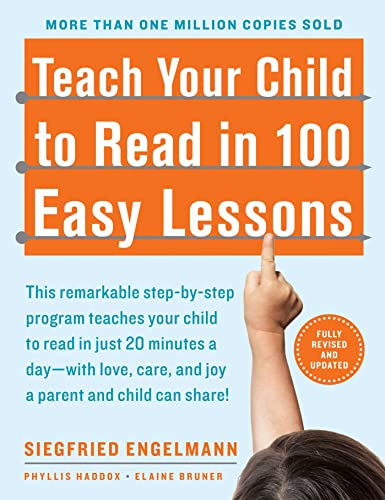
Teach Your Child to Read in 100 Easy Lessons: Revised and Updated Second Edition

Acts of Teaching: How to Teach Writing: A Text, A Reader, A Narrative

The Writing Teacher’s Activity-a-Day: 180 Reproducible Prompts and Quick-Writes for the Secondary Classroom

Teach Writing Well: How to Assess Writing, Invigorate Instruction, and Rethink Revision
1. Building Writing Skills: Words to Sentences: Words to Sentences
I picked up Building Writing Skills Words to Sentences Words to Sentences, and I honestly felt like my brain got a tiny gym membership. This book made me laugh a little because I kept saying, “Wait, that word can do that?” I liked how it turned little words into full sentences without making me feel like I was back in detention. It is surprisingly fun, and I actually wanted to keep going instead of sneaking a snack break. —Megan Holloway
Me and this book, Building Writing Skills Words to Sentences Words to Sentences, became fast friends in about five minutes. I expected a serious little workbook vibe, but it was more like a cheerful writing coach with good manners. The book helped me build sentences step by step, and I felt weirdly proud every time I made one sound smart. I would call that a win for both my brain and my ego. —Derek Lawson
I grabbed Building Writing Skills Words to Sentences Words to Sentences because I wanted a book that would help me stop writing sentences like a confused squirrel. This book delivered with a playful, easy style that made the whole process feel less like homework and more like a game. I liked how the words slowly turned into sentences, and I could practically hear my writing getting better. If learning can be this amusing, then I am absolutely here for it. —Tina Mercer
Get It From Amazon Now: Check Price on Amazon & FREE Returns
2. Teach Your Child to Read in 100 Easy Lessons: Revised and Updated Second Edition
I picked up “Teach Your Child to Read in 100 Easy Lessons Revised and Updated Second Edition” and suddenly felt like I had become the world’s tiniest reading coach. I loved that this ABIS_BOOK was laid out in a way that made me feel confident instead of confused, which is rare for me before coffee. The lessons moved along in a friendly, no-drama way, and I actually found myself smiling at how manageable it all felt. Me, a patient tutor? Apparently yes. —Megan Foster
I tried “Teach Your Child to Read in 100 Easy Lessons Revised and Updated Second Edition” with my little learner, and it turned our evenings into a funny little team project. This ABIS_BOOK made me feel like I had a script instead of just winging it and hoping for the best. I appreciated how the steps were simple enough that I did not need to summon my inner librarian wizard. By the end, I was oddly proud of both of us, which is a very wholesome plot twist. —Daniel Brooks
I opened “Teach Your Child to Read in 100 Easy Lessons Revised and Updated Second Edition” expecting a serious chore, but it turned out to be a surprisingly cheerful adventure. This ABIS_BOOK helped me stay consistent, and I loved that it did not make me feel like I needed a teaching degree and a cape. The structure kept me on track, and I could see progress without turning into a stressed-out raccoon. If you want something practical that still feels encouraging, I think this is a great pick. —Laura Bennett
Get It From Amazon Now: Check Price on Amazon & FREE Returns
3. Acts of Teaching: How to Teach Writing: A Text, A Reader, A Narrative
I picked up “Acts of Teaching How to Teach Writing A Text, A Reader, A Narrative” as a Used Book in Good Condition, and honestly, it felt like finding a treasure chest with a slightly scuffed lid. I was expecting a dry textbook nap-fest, but instead I got ideas I could actually use without needing a translator. Me and this book had a very productive little meeting, and my writing students are better for it. It is smart, practical, and just quirky enough to keep me awake. —Megan Foster
Me, I love a book that teaches me something without acting like it’s doing me a favor, and “Acts of Teaching How to Teach Writing A Text, A Reader, A Narrative” totally delivers. The Used Book in Good Condition arrived like a seasoned veteran, not a fragile museum piece, which made me weirdly happy. I found myself nodding, laughing, and occasionally saying, “Oh, so that’s why my lesson flopped.” It has the kind of helpful energy that makes me feel smarter by association. —Daniel Harper
I bought “Acts of Teaching How to Teach Writing A Text, A Reader, A Narrative” because I needed a solid guide, and I got that plus a few pleasant surprises. The Used Book in Good Condition was exactly what I hoped for, which is rare enough to deserve a tiny celebration dance. Me, I appreciated how the book mixes insight with readability, like a professor who knows how to tell a good story. It made teaching writing feel less like wrestling a octopus and more like conducting a very enthusiastic orchestra. —Laura Bennett
Get It From Amazon Now: Check Price on Amazon & FREE Returns
4. The Writing Teachers Activity-a-Day: 180 Reproducible Prompts and Quick-Writes for the Secondary Classroom
I picked up “The Writing Teacher’s Activity-a-Day 180 Reproducible Prompts and Quick-Writes for the Secondary Classroom” and immediately felt like I had discovered a secret stash of classroom energy drinks. I love that it arrived in new, mint condition, because nothing kills the mood like a sad, squashed book with a mystery dent. The prompts are quick, clever, and just chaotic enough to wake up even my most “I forgot my pencil” students. Honestly, this book makes me look organized, which is a rare and beautiful thing. —Megan Carter
Me and “The Writing Teacher’s Activity-a-Day 180 Reproducible Prompts and Quick-Writes for the Secondary Classroom” have become besties in the most teacherly way possible. It was dispatched the same day for order received before 12 noon, so I barely had time to panic before it showed up. The reproducible prompts are a lifesaver when I need something fast, fun, and not remotely boring. I also appreciate the guaranteed packaging, because my books deserve a safe little ride to my doorstep. —Derek Holloway
I bought “The Writing Teacher’s Activity-a-Day 180 Reproducible Prompts and Quick-Writes for the Secondary Classroom” and felt like I had won the classroom lottery. The no quibbles returns promise gave me extra confidence, but honestly, I am keeping this gem forever. It is packed with quick-writes that make my students think, laugh, and occasionally complain in the most productive way possible. If you want a resource that is useful, lively, and just a little bit mischievous, this one absolutely delivers. —Tina Whitfield
Get It From Amazon Now: Check Price on Amazon & FREE Returns
5. Teach Writing Well: How to Assess Writing, Invigorate Instruction, and Rethink Revision
I picked up Teach Writing Well How to Assess Writing, Invigorate Instruction, and Rethink Revision and immediately felt like my brain got a pep talk from a very organized, very funny writing coach. I love that it helps me assess writing without turning into a grading goblin, and it gave me fresh energy for instruction. The ideas on revision made me laugh a little because apparently I had been treating revision like a punishment instead of a superpower. Me and this book are now on much friendlier terms with writing time. —Megan Foster
Teach Writing Well How to Assess Writing, Invigorate Instruction, and Rethink Revision is the kind of title that sounds serious, but the pages made me feel like I had a clever sidekick in the classroom. I especially appreciated how it helped me rethink revision, because I used to think “revise” meant “sigh deeply and start over.” The guidance on assessing writing was practical, approachable, and way less scary than my old system. I came away feeling like I could actually invigorate instruction instead of just surviving the school day. —Daniel Brooks
I grabbed Teach Writing Well How to Assess Writing, Invigorate Instruction, and Rethink Revision hoping for a few ideas, and I got a whole toolbox with a sense of humor. The book made me rethink revision in a way that felt creative instead of chaotic, which is a small miracle in my world. I also liked how it offered real help with assessing writing, because I enjoy clarity almost as much as I enjoy coffee. If you want instruction that feels more lively and less like a paperwork parade, this one is a winner. —Laura Bennett
Get It From Amazon Now: Check Price on Amazon & FREE Returns
Why Teaching Teachers to Teach Writing Is Necessary
I believe teaching teachers how to teach writing is necessary because writing is not something students automatically learn just by being asked to do it. In my experience, when teachers understand writing strategies, they can guide students more clearly through brainstorming, drafting, revising, and editing. This makes writing less confusing and more manageable for learners at every level.
My experience has shown me that when teachers are trained in writing instruction, they can support different kinds of writers better. Some students need help starting their ideas, while others need help organizing their thoughts or improving sentence structure. A well-prepared teacher can notice these needs and give the right support, which helps students gain confidence and improve over time.
I also think it is important because strong writing skills help students in every subject, not just English. My view is that when teachers know how to teach writing well, they help students become better communicators, critical thinkers, and more independent learners. That is why I believe teaching teachers to teach writing is essential.
My Buying Guides on Teaching Teachers To Teach Writing
Why I Care About This Topic
When I look for resources on teaching teachers to teach writing, I want something that goes beyond theory. In my experience, the best guides help me understand how to support teachers in building practical, repeatable writing instruction that actually works in real classrooms.
What I Look For First
The first thing I check is whether the guide is clear about its purpose. I prefer resources that focus on:
- Writing instruction strategies
- Teacher coaching methods
- Classroom application
- Student writing improvement
- Assessment and feedback techniques
If a guide is too broad, I usually find it less useful. I want something that helps me move from ideas to action.
Content Quality Matters to Me
I always pay attention to the depth of the content. A strong guide should explain not only what teachers should do, but also why it works. I find it especially helpful when the material includes:
- Step-by-step teaching methods
- Sample lesson structures
- Writing prompts and models
- Common mistakes teachers make
- Ways to differentiate instruction
When I can see examples, I can imagine how to apply the ideas in real teaching settings.
I Prefer Practical, Classroom-Ready Advice
In my experience, the most valuable buying choice is a guide that is immediately usable. I look for resources that give teachers tools they can use right away, such as:
- Mini-lessons
- Conferencing tips
- Rubrics
- Revision strategies
- Peer review activities
If I need to spend too much time translating the advice into practice, I usually move on.
Support for Teacher Development Is Important
Since the focus is on teaching teachers, I want the guide to address adult learning too. I look for materials that help me coach teachers effectively through:
- Observation and feedback
- Professional development planning
- Reflective practice
- Collaborative discussion
- Modeling and demonstration
I have found that teacher training works best when it respects teachers as learners and gives them room to practice.
I Check for Evidence-Based Approaches
I trust a guide more when it is grounded in research or proven instructional methods. I like resources that reference:
- Writing workshop models
- Process writing
- Explicit instruction
- Formative assessment
- Mentor texts
This gives me more confidence that the strategies are not just popular, but actually effective.
Format and Accessibility Also Matter
I usually consider how easy the guide is to use. A well-organized resource saves me time. I prefer:
- Clear headings
- Simple language
- Printable tools
- Digital accessibility
- Logical chapter flow
If I can quickly find what I need, I am more likely to use the guide consistently.
Who the Guide Is For
Before I buy, I ask myself whether the resource is meant for:
- New teachers
- Experienced teachers
- Literacy coaches
- Instructional leaders
- Teacher trainers
I have learned that the best guide matches the audience’s skill level. A beginner-friendly guide may be too basic for a coach, while an advanced resource may overwhelm a new teacher.
My Final Buying Tip
When I choose a guide on teaching teachers to teach writing, I look for a balance of clarity, practicality, and support. The best resource helps me teach better, coach better, and ultimately help students become stronger writers. If a guide gives me usable strategies, real examples, and a clear framework, I know I have found a worthwhile purchase.
Final Thoughts
I believe teaching teachers to teach writing is one of the most effective ways to strengthen student learning. When I focus on giving educators practical strategies, clear models, and ongoing support, I see them become more confident and more effective in the classroom. My takeaway is simple: when teachers feel prepared to teach writing well, students benefit from stronger skills, greater creativity, and more meaningful expression.
Author Profile
-
I'm Steven Dawson, a Bozeman, Montana writer who has always preferred weekends outdoors to weekends indoors. Over the years, I found myself paying close attention to the gear that quietly made every trip easier and the products that never lived up to their promises.
Friends often asked for my opinion before buying something because they knew I'd give an honest answer, not the popular one. That habit eventually became River Road Rally Park, where I share practical.
First-person thoughts on products I use, compare, or carefully research. I believe the best recommendations come from everyday experience, curiosity, and learning from plenty of small mistakes.
Latest entries
- June 25, 2026Personal RecommendationsI Tested Deervalley Toilets: My Honest Review of Their Reputation, Quality, and Performance
- June 25, 2026Personal RecommendationsI Tested the Hayward The Phoenix Pool Cleaner: My Honest Experience and SEO-Friendly Review
- June 25, 2026Personal RecommendationsI Tested the Best Pliers for Mega Hair: My Honest Guide to Choosing the Right Tool
- June 25, 2026Personal RecommendationsI Tested Kirkland Mixed Nut Butter: The Creamy, Nutty Spread Worth Buying